News

Popular Christian Band to Play in Naperville

The Sidewalk Prophets will be in Naperville in April for “An Acoustic Evening with Sidewalk Prophets.” With 900 million streams and 588,000 monthly listeners, this will be an evening you won’t want to miss. The Sidewalk Prophets have played at Red Rocks, K-Love Cruise, Ryman Auditorium and the Grand Ole Opry; performed the National Anthem at Wrigley Field; and have five chart-topping Christian hits.

The concert will be at 7pm Thursday, April 9th at Alleluia! Lutheran Church, 4055 S. Book Road, Naperville. Tickets are on sale now and expected to sell fast. Tickets are $20 each, plus fees, with options for early entry and VIP access. Visit sidewalkprophets.com for tickets.

PLEASE NOTE: there have been third party ticket scamming attempts for Sidewalk Prophet tickets. All tickets should be purchased through EVENTBRITE or through the SIDEWALK PROPHETS OFFICIAL WEBSITE.

Reduce Your Risk of Alzheimer’s Disease

Here are recommendations to stave off Alzheimer’s disease, courtesy of Harvard neuroscientist Rudolph
Tanzi.

  • Sleep at least seven hours a night. As you sleep, your brain flushes out waste material and toxins, including amyloid-beta.
  • Use stress reduction techniques. Stress activates brain areas that internalize emotion, and cells in those brain areas may make more amyloid and undergo more inflammation under stress.
  • Interact with friends. If solitude causes stress and loneliness, it increases the risk of Alzheimer’s disease.
  • Exercise daily. Aerobic exercise promotes the birth of new brain cells.
  • Learn new things. This creates new brain cell connections.
  • Eat a healthy diet. Sugary, salty, and processed foods promote inflammation.
  • Floss teeth frequently. Flossing, along with brushing, reduces gum disease risk. Gum disease increases amounts of potentially harmful mouth bacteria.
  • Get immunizations. Vaccines greatly reduce the risk of serious infections, and people with serious infections have a greater risk of Alzheimer’s disease.


From the Harvard Health Letter. Submitted by Nancy
Rasmussen, Parish Nurse

January Children’s Noisy Offering

YWCA Domestic Violence Program and Sexual Assault Program. Donations help support the 24-hour Hotline: The crisis line is available 24 hours a day, seven days a week, 365 days a year. Phones are answered by trained professionals. YWCA can help callers access emergency services including safe shelter, medical care, obtaining Orders of Protection and much more. 815-626-7277 or 815-288-1011.

February Children’s Noisy Offering

United Way of Whiteside County Community Campaign. Donations help support community impact programs including the 2-1-1 Helpline offering Free Confidential Resources, Born Learning Academy helping parents teach their children, School supplies for local children, Let’s Feed Our Children the free summer lunch program, and the LIFE Imagination Library that provides kids get a free book every month.

February Special Offerings

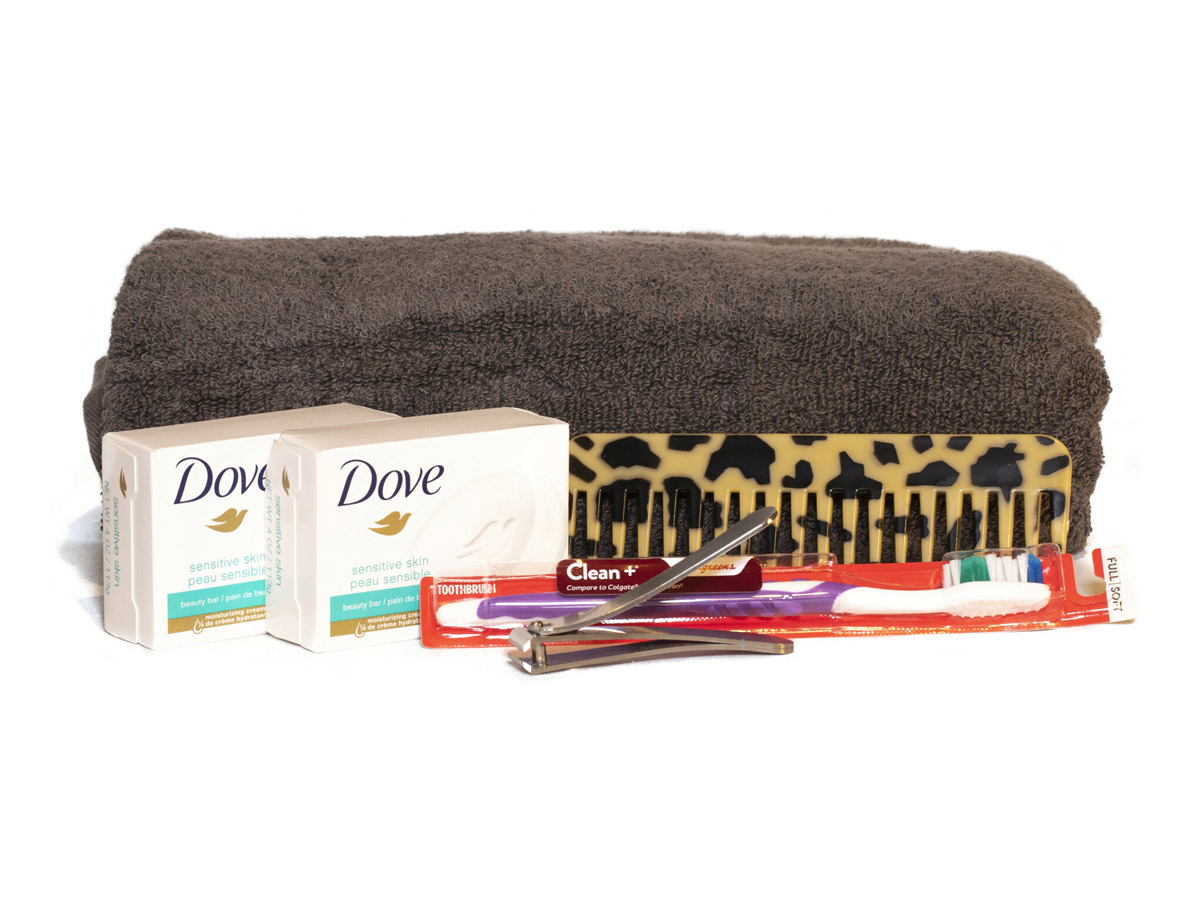
Because the need is so great, the Congregation Council has again designated the February Special Offering to the Sterling Buddy Bag Program! Food insecurity in our community is often related to housing insecurity, and both issues affect our school-age children. The food is simple, nutritious, and easy for children to prepare with minimal effort. The program is sponsored by community churches, public schools, and the Coalition for Community Services (ICCS). Most of us have plenty of food on our tables, but that is not the case for many families. Please consider a generous donation to support this ministry and the growing need for families in our community.

New Church Office Hours

Please note these new church office hours beginning in January! The church office will be open Tuesday through Thursday from 8:00am-4:00pm.

January Special Offerings

The Whiteside County Senior Center will be the recipient of the January 2026 Special Offerings. This facility provides companionship, conversation, and community for seniors year-round. Their services include shared meals, game days, wellness checks, and education. During the holiday season, not all seniors have family nearby with whom they can celebrate. Loneliness doesn’t take a holiday. For some, the holidays are just another reminder of how disconnected they feel. Our donations to this cause can help alleviate this feeling for some of our seniors. Please consider helping with a generous donation.

Choosing A Pet For Your Health & Lifestyle

Pets are known to improve the lives of their human family members. Not only are pets great companions, but they can also boost your mental physical health and your social life.

Most people can find a pet to love, no matter their health concerns. Talk to pet adoption coordinators about finding a good match for your health and lifestyle. Here are some general recommendations:

For people who are trying to lose weight or get more active — Dogs can be especially great motivators for getting active. Find one that wants to join you on a walk, paddle or hike.

For people with depression or anxiety — Pets can be comforting and provide a sense of purpose that contributes to self-worth. They can be loyal and loving regardless of what you are navigating. They also keep their owners on a schedule, which can be helpful for people with mental health conditions.

For people with weakened immune systems — Avoid pets that are most likely to carry germs or parasites, such as kittens and puppies under 6 months old, reptiles, poultry, rodents, exotic pets, and sick or feral animals.

For people with limited mobility — Consider your limits when choosing a pet. It might be difficult to haul big bags of food or keep up with an active pet. Pets also can be tripping hazards, so train them not to push or pull. And train yourself to watch for them.

For people with asthma and allergies — Pets with fur or feathers can trigger itchy eyes and sneezing, so you may want to opt for another type. Alternatively, some dog and cat breeds, such as poodles and Siberian cats, are less likely to trigger people with allergies.

From the Mayo Clinic. Submitted by Nancy Rasmussen, Parish Nurse
New Guidelines For High Blood Pressure

If you haven’t talked to your doctor lately about your blood pressure, it may be time for a check-up. The definition of high blood pressure (hypertension) changed in November 2017, when the American College of Cardiology and the American Heart Association released new guidelines for diagnosis and treatment of the condition. High blood pressure used to be diagnosed at a measurement of 140/90 millimeters of mercury (mm Hg) or higher. Now these authorities state that if your blood pressure is 130/80 mm Hg or as it was before: less than 120/80 mm Hg. What if your blood pressure is between normal and the new hypertension threshold? That’s considered “elevated,” something that should be watched and addressed with exercise, a healthy diet low in salt, limited alcohol intake ( no more than one drink per day for women, one or two drinks per day for men), and weight loss as needed. The new guidelines are based on evidence that having a systolic (top) measurement from 130 to 139 and a diastolic (bottom) measurement from 80 to 89 doubles the risk for having a heart attack, stroke or other complications.


From the Harvard Health Letter. Submitted by Nancy
Rasmussen, Parish Nurse
December Special Offerings

Skip to content